Cart
0
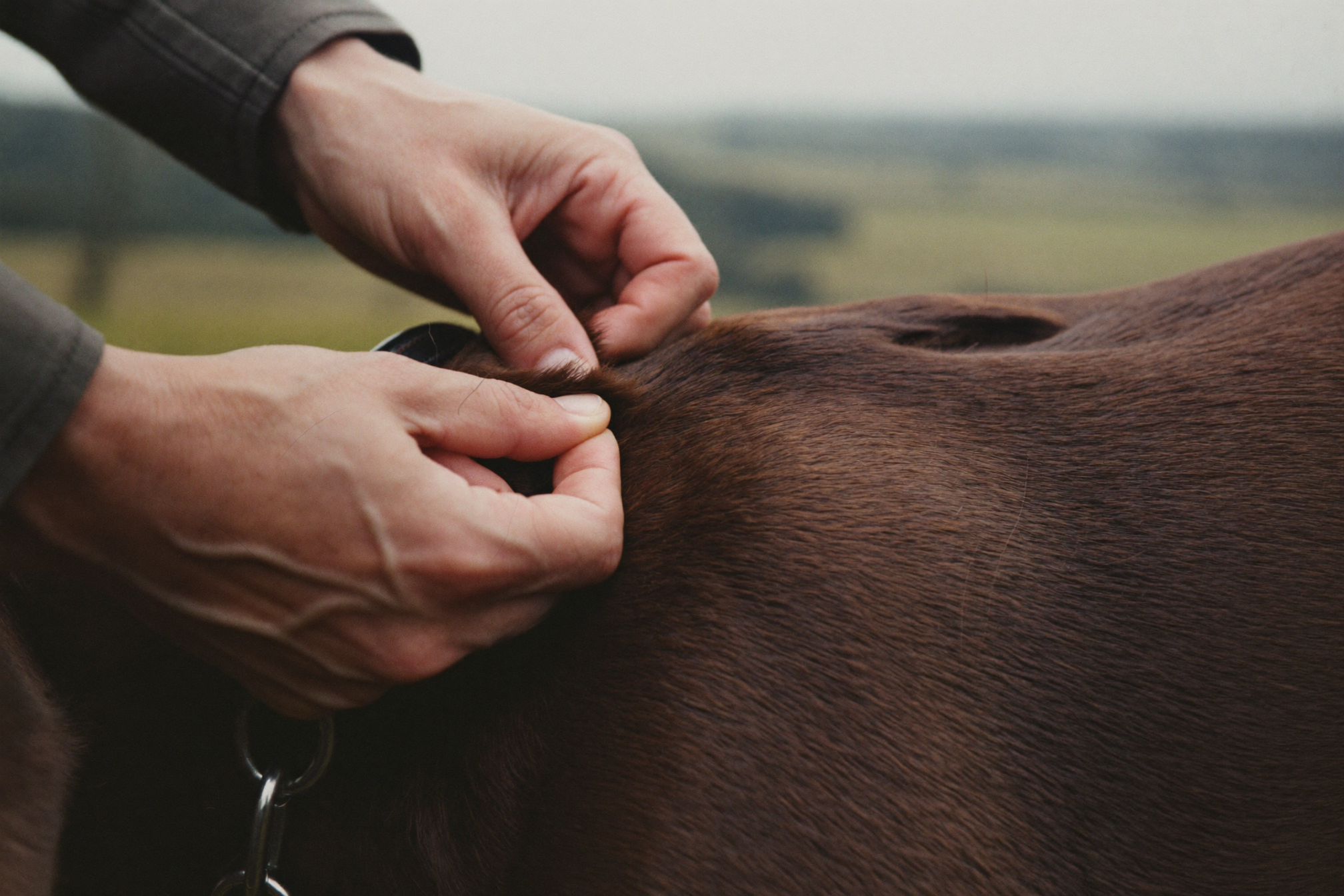
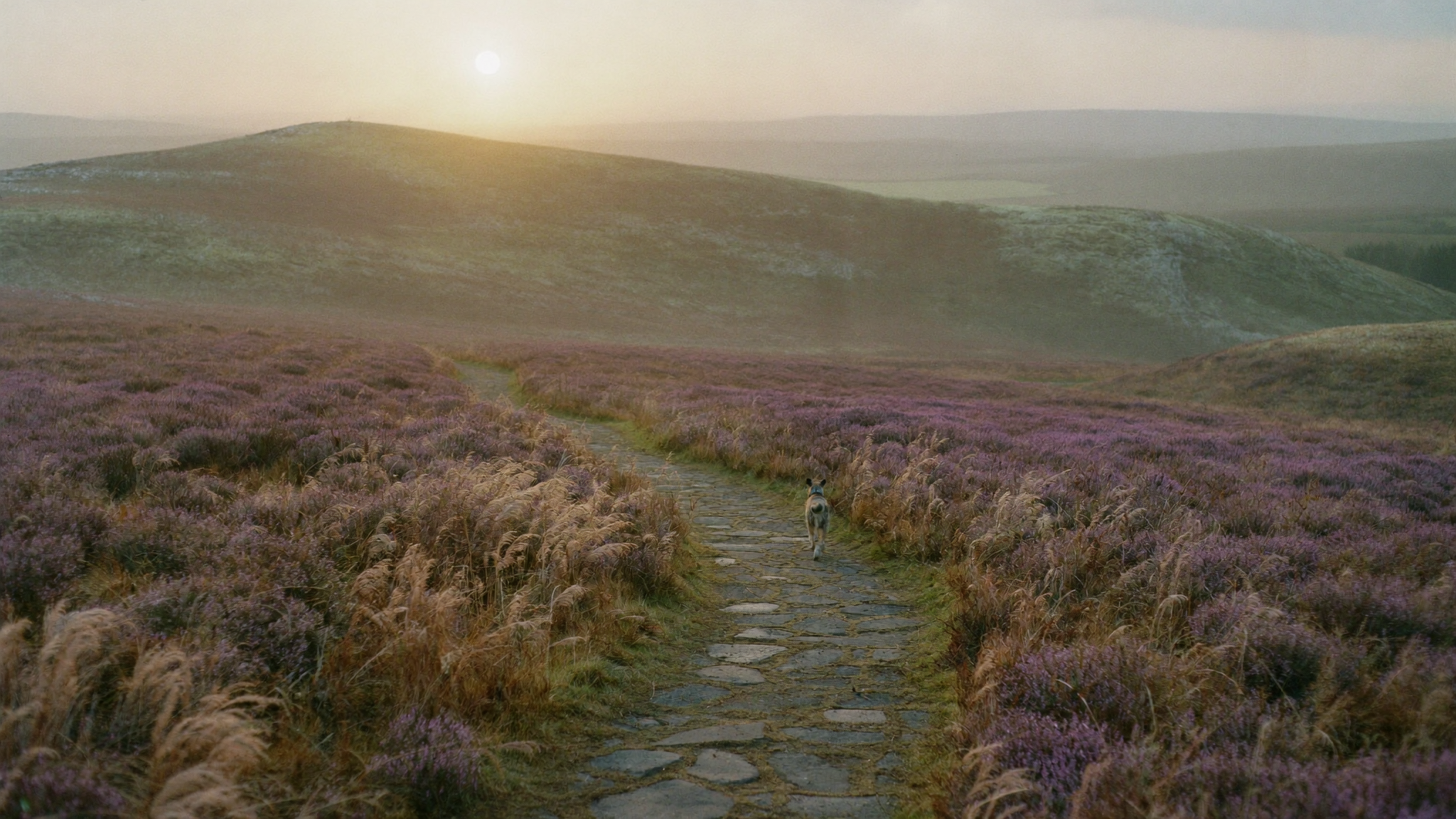
Ticks are most active from spring to autumn, and long grass, heather, bracken and woodland are their favourite spots. A quick check after every walk keeps your dog comfortable and lowers the risk of tick-borne illness.
Where to check
Run your hands slowly over your dog, feeling for small bumps. Pay close attention to the warm, hidden areas: around the ears, the neck and collar line, the armpits, the groin, between the toes and around the eyes and mouth.
How to remove a tick
Use a tick-removal tool or fine-tipped tweezers. Get as close to the skin as you can, then pull upwards with steady, even pressure. Try not to twist or squeeze the body. Clean the area afterwards and wash your hands.
When to speak to your vet
If you cannot remove the whole tick, or if your dog seems unwell in the days after a bite, for example tiredness, a raised temperature, swelling or lameness, contact your vet.
This is general guidance, not veterinary advice. If you are ever unsure, your vet is the best person to ask.